HEL to ARN Turbulence Forecast
Is the Helsinki to Stockholm flight turbulent? Live forecast & historical patterns.

Typical turbulence along the route
Historical average pattern for HEL–ARN
About the HEL–ARN route
The Helsinki to Stockholm route is a short European hop covering just 281 miles — one of the smoothest types of flights available. At cruising altitude of around 27,000 feet, the aircraft rarely encounters significant turbulence. Rough weather in northern Europe during winter can occasionally cause bumps during climb or descent.
The route is served by Finnair, SAS on Embraer 190 · Airbus A319 aircraft, with flights typically cruising at 27,000 feet over a distance of 281 miles (244 nautical miles).
💡 Tip: Very short and smooth. Any turbulence is brief during climb/descent.
Helsinki to Stockholm Flight Time
How long is the flight from HEL to ARN?
The Helsinki (HEL) to Stockholm (ARN) flight takes approximately 1h 20m, covering 281 miles (244 nautical miles) at 27,000 feet. The route is operated by Finnair, SAS. Actual flight time may vary by 10–20 minutes depending on wind conditions and routing.
Turbulence levels on HEL–ARN
What to expect at each phase of the flight
Get minute-by-minute timing for your specific flight
Best time to fly HEL–ARN
Turbulence by month
Best seat on HEL–ARN
Embraer 190
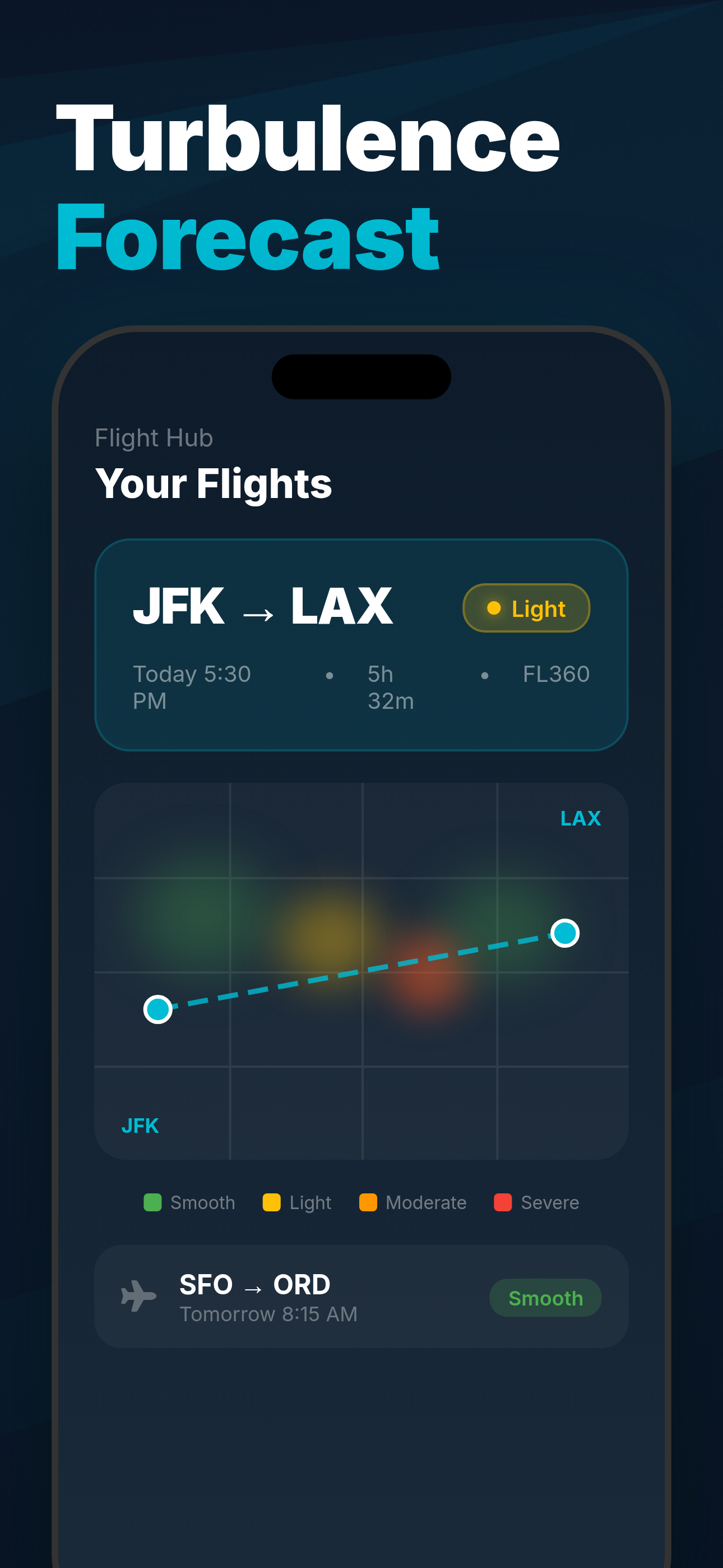
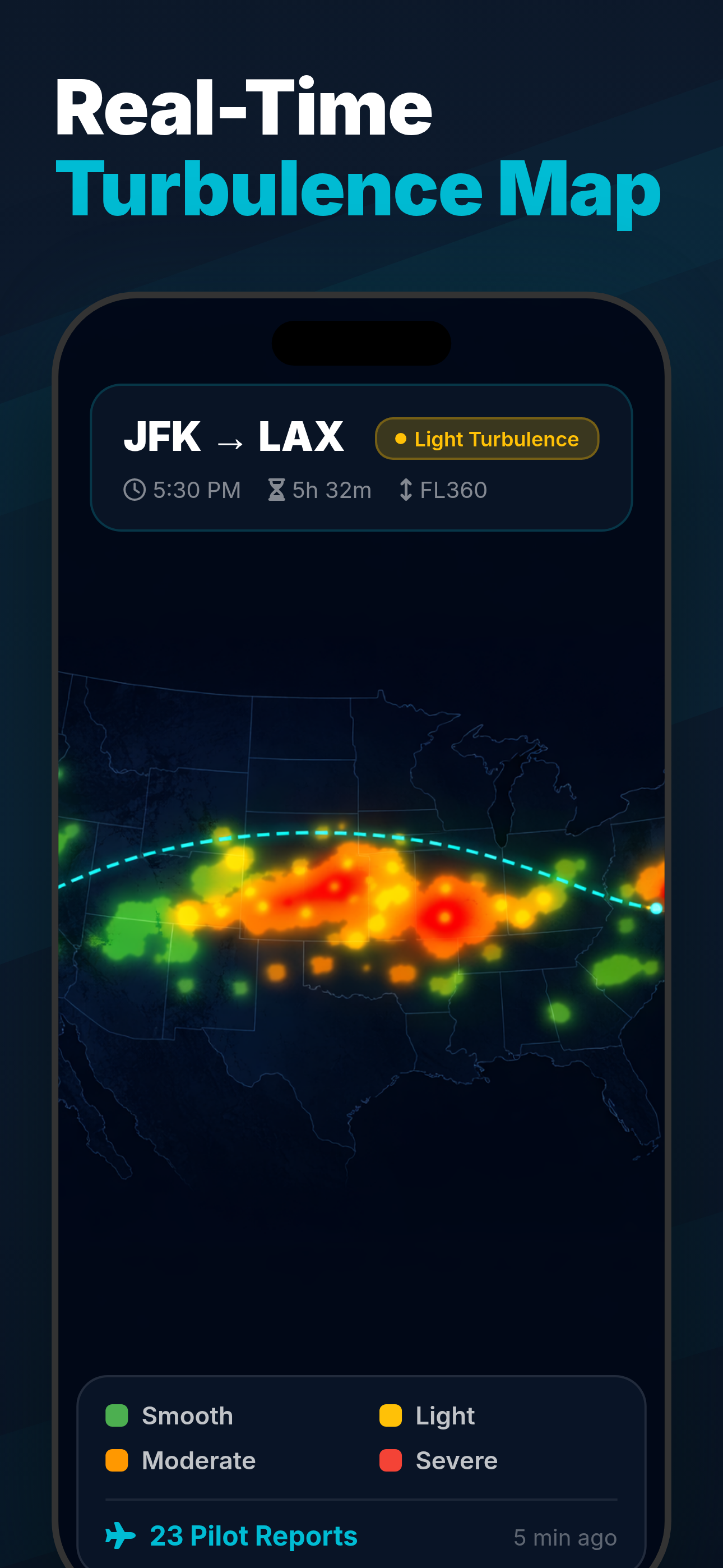
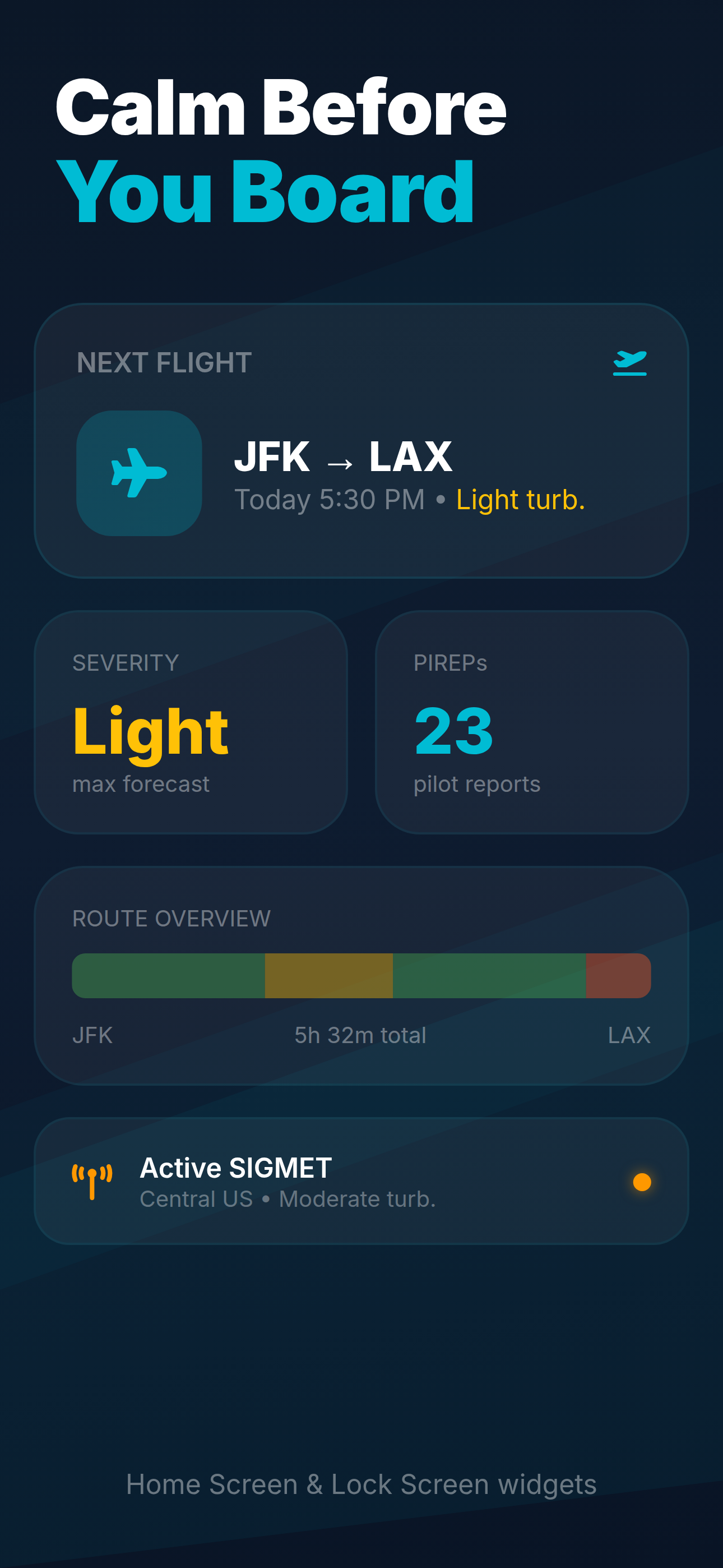
What you'll see in the app
Full forecast, live map & seat recommendations
Similar routes
Other popular routes with turbulence data
Related guides
Learn more about flight turbulence
Passenger Reports
Frequently asked questions
Data Sources
- PIREP — Pilot reports (PIREPs) submitted via FAA/ICAO systems, aggregated over 12+ months of historical data
- SIGMET / AIRMET — Significant Meteorological Information bulletins from NOAA Aviation Weather Center
- EDR data — Eddy Dissipation Rate measurements from commercial aircraft (ADS-B derived turbulence intensity)
- Seasonal patterns — 5-year rolling averages of turbulence frequency and intensity by month for this route
Scores represent typical conditions. Actual turbulence varies daily. For real-time forecasts, use the Turbulence Forecast app. · About our data