HKG to KUL Turbulence Forecast
Is the Hong Kong to Kuala Lumpur flight turbulent? Live forecast & historical patterns.

Typical turbulence along the route
Historical average pattern for HKG–KUL
About the HKG–KUL route
The Hong Kong to Kuala Lumpur route spans the Pacific Ocean — one of the longest commercial flight paths in the world at 1,663 miles. The Pacific jet stream creates moderate turbulence, typically around 3–7 hours into the flight. The sheer length of the route means passengers experience varying conditions: calm stretches punctuated by bumpy patches.
The route is served by Cathay Pacific, Malaysia Airlines, AirAsia, Dragonair on Airbus A330 · Boeing 737 aircraft, with flights typically cruising at 37,000 feet over a distance of 1,663 miles (1,445 nautical miles).
💡 Tip: Long flight — turbulence varies throughout. Wing seats significantly reduce motion.
Hong Kong to Kuala Lumpur Flight Time
How long is the flight from HKG to KUL?
The Hong Kong (HKG) to Kuala Lumpur (KUL) flight takes approximately 3h 10m, covering 1,663 miles (1,445 nautical miles) at 37,000 feet. The route is operated by Cathay Pacific, Malaysia Airlines, AirAsia, Dragonair. Return flights (KUL to HKG) take a similar time, though westbound transatlantic and transpacific routes are typically 30–60 minutes longer due to headwinds.
Turbulence levels on HKG–KUL
What to expect at each phase of the flight
Get minute-by-minute timing for your specific flight
Best time to fly HKG–KUL
Turbulence by month
Best seat on HKG–KUL
Airbus A330-300
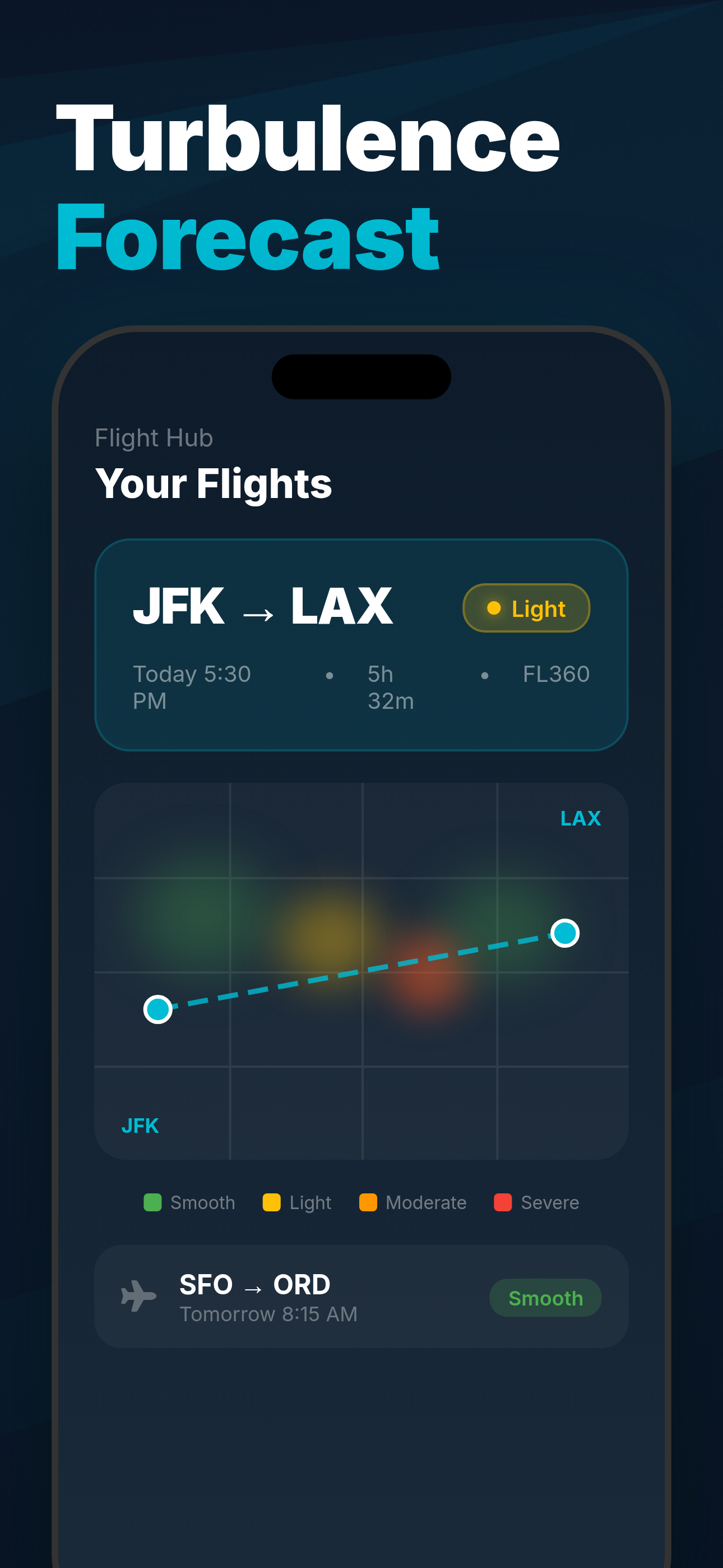
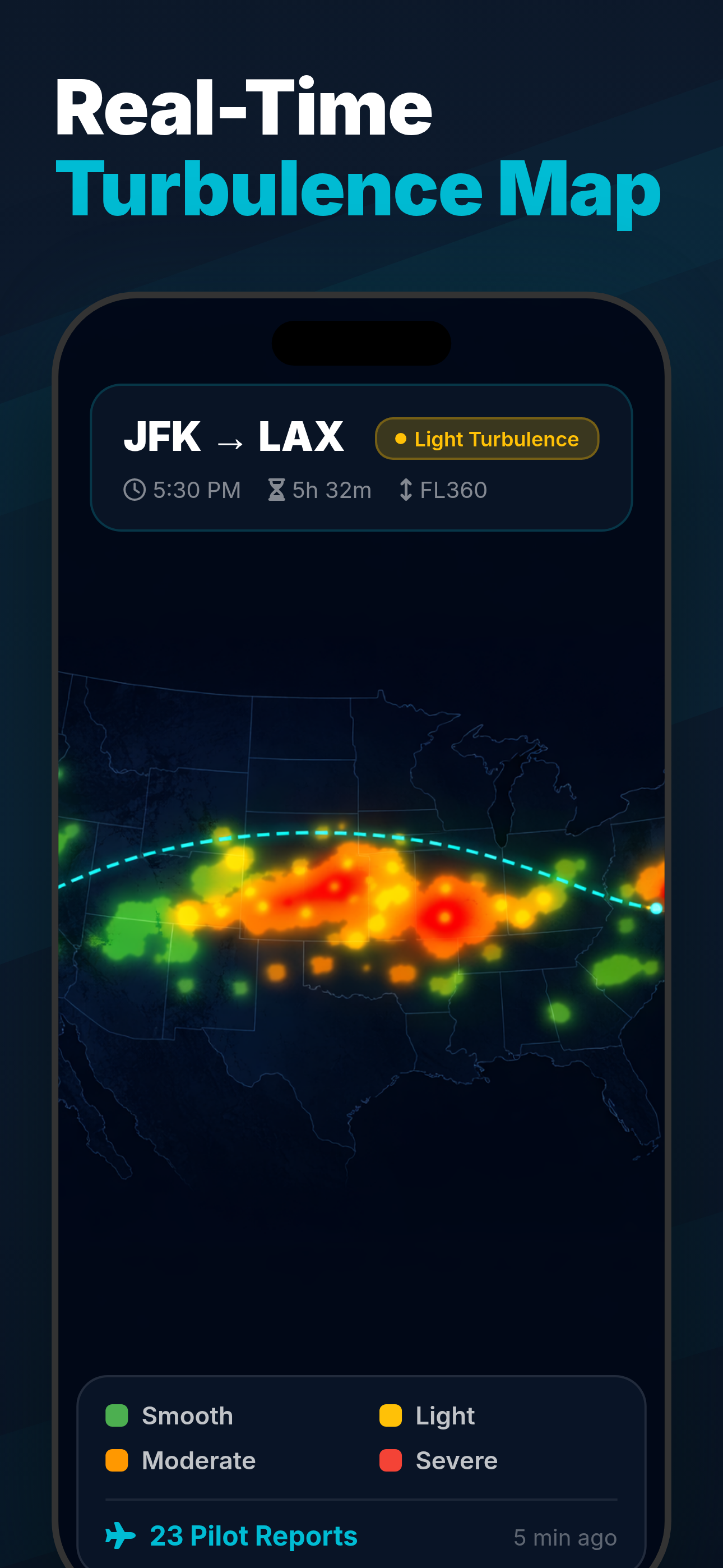
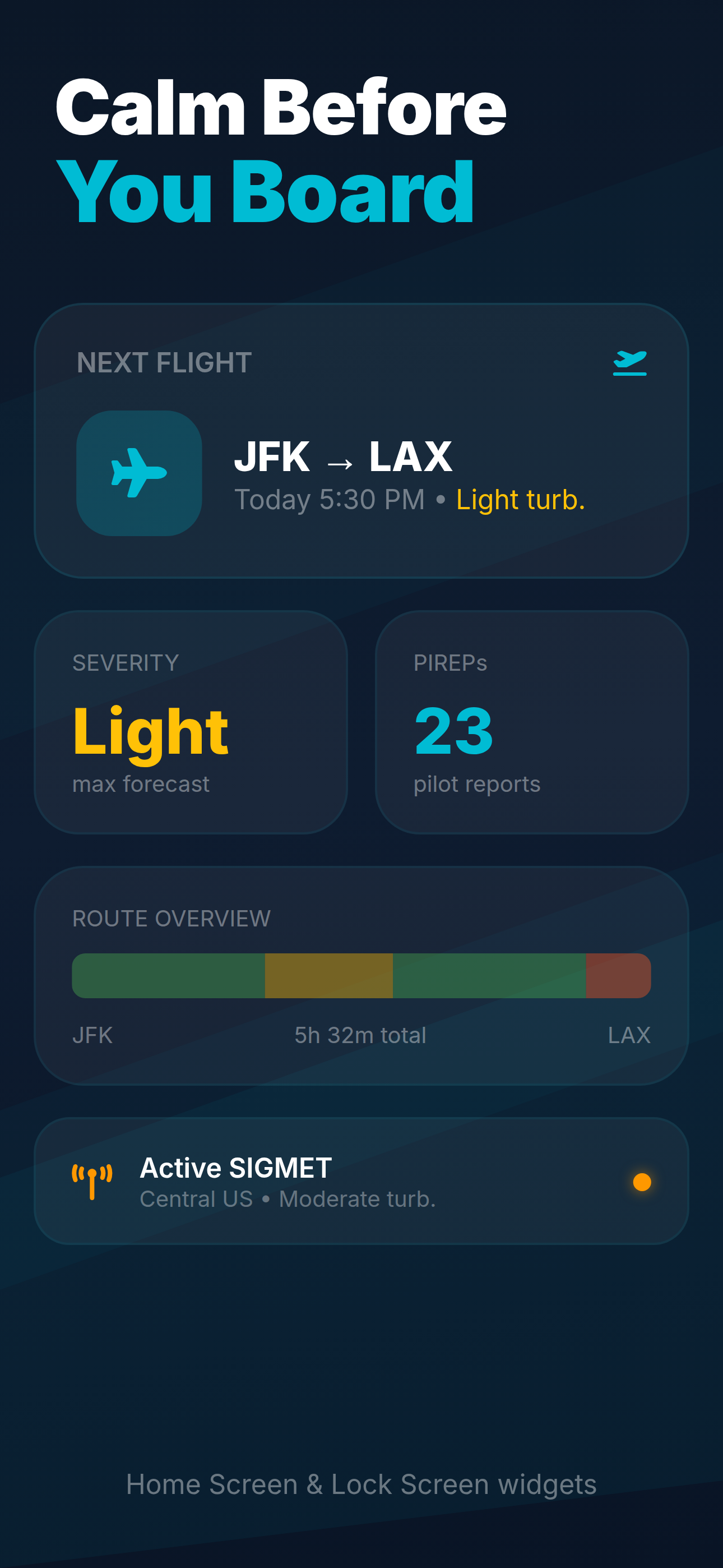
What you'll see in the app
Full forecast, live map & seat recommendations
Similar routes
Other popular routes with turbulence data
Related guides
Learn more about flight turbulence
Passenger Reports
Frequently asked questions
Data Sources
- PIREP — Pilot reports (PIREPs) submitted via FAA/ICAO systems, aggregated over 12+ months of historical data
- SIGMET / AIRMET — Significant Meteorological Information bulletins from NOAA Aviation Weather Center
- EDR data — Eddy Dissipation Rate measurements from commercial aircraft (ADS-B derived turbulence intensity)
- Seasonal patterns — 5-year rolling averages of turbulence frequency and intensity by month for this route
Scores represent typical conditions. Actual turbulence varies daily. For real-time forecasts, use the Turbulence Forecast app. · About our data